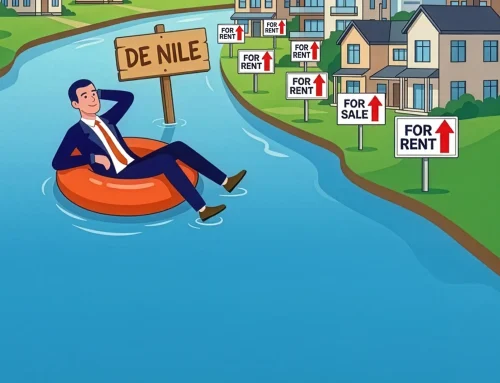
There’s an old saying that bad news travels fast. If you think this is a modern phenomenon driven by the digital age and the poison of social media, think again. The writer Thomas Kyd used a similar phrase in his 1592 play, The Spanish Tragedy. Of course, this literary work is not to be confused with the 1997 rap album Bad Newz Travels Fast by the aptly named DJ Poo. Listen at your peril I’d suggest.
A quick review of psychological studies suggests that it is a fact of human nature that many are more interested in failure than success. The Germans even have a word for it. Schadenfreude in German translates to harm-joy and describes pleasure gained from another’s misfortune. It is disturbing to note that scientific tests using brain scans suggest that witnessing another person’s failure can actually release dopamine into the reward centres of the brain.
All of this of course explains the managing director’s descent into tears of laughter whenever some domestic disaster should befall me. My complete lack of handyman skills tends to lead to one debacle after another, all to the great amusement of the MD.
It seems to me that our societal obsession with bad news has left us blind to the benefits of a positive message. In this regard can there be any better story than one that might save you money and make your life easier. I speak of course of the management rights agreement term top-up.
As I’m sure most readers know, management rights consist of caretaking and letting agreements which have defined terms. As in all matters commercial, certainty = value and that is most definitely the case with management rights. The longer the agreements the greater the certainty. As these terms wind down it is standard practice to ask a body corporate to extend the contract, hopefully back to the maximum term allowed. A vote supporting such an extension serves more than one purpose, and it’s important to appreciate and maximise the good news story such a vote evidences.
The first chapter in the story is that an approved top-up provides clear and present evidence that the body corporate and the manager have a strong and positive working relationship. It is highly unusual for a top-up to be approved for a manager who has not performed unless it’s conditional on said manager getting the hell outta there, and fast. More broadly, the approval suggests that the body corporate understand and appreciate the existence of management rights in the property, a dynamic that is not always in play these days.
For a buyer a recent top-up approval provides comfort insofar as an insight into the demeanour of the owners, and as such is a powerful marketing tool for those contemplating a sale.
Of course, an important part of the good news story is the added value an agreement top-up provides for the manager. In simple terms, a longer agreement and the certainty of revenue it provides, is worth more than a shorter one. I am reminded of a cruel analogy the MD has been known to use but we digress. That value is not just reflected in a possible capital increase but also in an opportunity to seek a pricing review from the lender. That review may be driven by several factors. A lender should (but sometimes doesn’t) price debt using cost of capital and a risk grade assessment.
Longer agreements simply reduce lender risk, both real and contingent. My advice is that as soon as a top-up is approved a borrower should seek a pricing review from their bank. Even better, get a finance broker (free plug intended) to make that request on your behalf and perhaps compare the response with other lending solutions. If you can’t find a reputable broker, give me a call. I’m not reputable but I’m a broker.

Lastly, there is a good news story here that often falls through the cracks. The evident support and security of tenure that a top-up provides is good for the body corporate. I’ve written about this before, so I’ll be brief. Given a choice I doubt any owner wants a manager who is stressed out of their mind, under the pump from their bank and looking every which way for reasons to charge owners and minimise costs. It is absolutely the case that if this is what a body corporate desires in a manager the plan is simple. Deny the top-up and let the agreements run down.
It gets even better from here. Eventually the distraught manager sells to a bargain hunter with limited capital at risk and a get rich scheme on hand. What could possibly go wrong?
Mike Phipps F Fin
Director | Phippsfin Pty Ltd
No AI or ChatGPT has been used in the writing of this article.